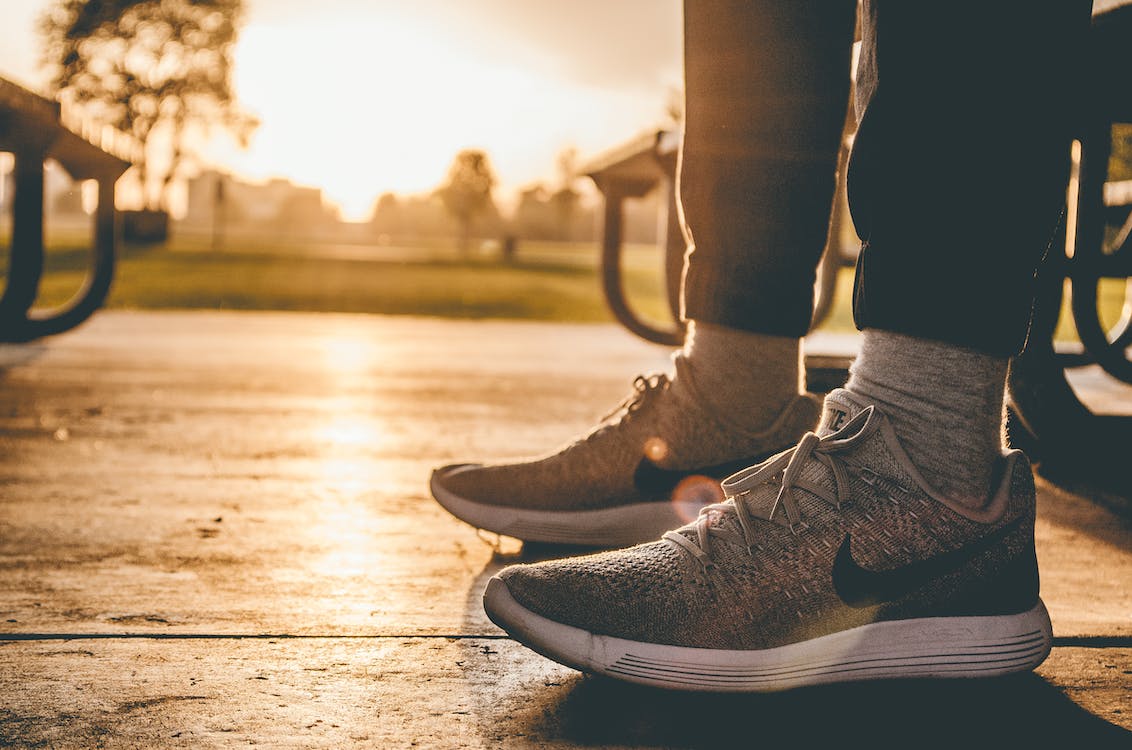

Anxiety affects millions of people worldwide, manifesting as racing thoughts, restlessness, tension, or overwhelming worry. While therapy and medication are essential tools for many, physical activity has emerged as a powerful, evidence-based way to manage anxiety symptoms. Regular movement doesn’t just strengthen the body — it strengthens the mind.
Here’s a comprehensive guide for anyone looking to use sport and exercise as a tool to reduce anxiety.
How Sport Impacts Anxiety
Engaging in sport affects both the brain and body in ways that directly counter anxiety:
1. Neurochemical Benefits
Exercise triggers the release of endorphins, often called “feel-good” chemicals. It also increases serotonin and dopamine, neurotransmitters that regulate mood and stress. Even 20–30 minutes of moderate exercise can improve your mood and mental clarity.
2. Reduced Cortisol Levels
Chronic anxiety is often linked with elevated cortisol — the stress hormone. Physical activity helps regulate cortisol, lowering stress levels and promoting a sense of calm.
3. Mind-Body Connection
Sports require focus on movement, breathing, and strategy. This grounding effect pulls attention away from anxious thoughts, much like meditation. Mindful running, swimming, or yoga strengthens your ability to stay present.
4. Improved Sleep
Anxiety often disrupts sleep. Regular physical activity improves sleep quality and duration, which in turn reduces anxiety and improves resilience to stress.
Choosing the Right Sport for Anxiety
Not all activities are equal when it comes to mental health benefits. The best sports for anxiety balance physical exertion with enjoyment, accessibility, and social or solitary opportunities, depending on your preference.
1. Aerobic Exercise: Cardio for Calm
Activities like running, cycling, swimming, or rowing increase heart rate, boost endorphins, and improve cardiovascular health.
Pro tip: Start small — even 10 minutes of brisk walking counts. Gradually increase intensity to avoid burnout.
2. Mind-Body Sports: Balance and Focus
Yoga, Tai Chi, and Pilates combine gentle movement, controlled breathing, and mindfulness. These sports train both body and mind to relax in a structured way.
Yoga styles like Hatha or Yin are particularly effective for reducing chronic stress and anxiety.
3. Team Sports: Connection and Support
Basketball, soccer, volleyball, or rowing can reduce anxiety by providing social support and a sense of belonging. Positive group interactions often boost mood and self-esteem.
Even casual pick-up games provide mental health benefits without the pressure of competition.
4. Individual Skill Sports: Focus and Mastery
Martial arts, climbing, or skiing engage focus and strategy, providing a flow state where worries fade into concentration on skill execution.
Learning a new skill gives a sense of accomplishment, which can counter negative thought patterns.
5. Outdoor and Adventure Sports: Nature + Exercise
Hiking, trail running, or snowboarding combine physical exertion with natural environments, which amplify stress-reduction effects. Research shows that exercising outdoors lowers blood pressure and improves mood more than indoor exercise.
Tips for Starting a Sport to Manage Anxiety
Starting a new sport can be intimidating, especially if anxiety is already present. These tips can help make the transition easier:
1. Start Small and Be Consistent
Aim for 10–20 minutes daily, gradually increasing duration and intensity. Consistency matters more than intensity at first.
2. Focus on Enjoyment, Not Performance
Choose sports that feel fun, not those that trigger performance pressure. Anxiety thrives under judgment and expectation — enjoyment is the key to mental health benefits.
3. Set Realistic Goals
Short-term goals like “I’ll walk 15 minutes today” or “I’ll try one beginner yoga class” are more sustainable than aiming for advanced achievements too quickly.
4. Incorporate Mindfulness
During activity, pay attention to breathing, posture, and movement. This reinforces a present-moment awareness, reducing anxious thoughts.
5. Seek Support
Joining a class, group, or online community increases accountability, reduces isolation, and encourages long-term commitment.
6. Track Your Progress
Keeping a journal of workouts, moods, and anxiety levels can help you notice patterns and reinforce motivation.
Overcoming Common Barriers
Even when motivated, anxiety can create barriers to getting started:
Fear of judgment: Start with solo workouts or beginner classes. Most participants are focused on themselves.
Low energy or motivation: Short, consistent sessions are better than waiting for the perfect day.
Past injury or health concerns: Choose low-impact options like swimming, cycling, or yoga and consult a medical professional if needed.
The Science Behind Sport and Anxiety
Research supports exercise as an anxiety-reducing intervention:
A 2018 meta-analysis found that aerobic exercise consistently reduces symptoms of anxiety in adults.
Resistance training has also shown reductions in anxiety, especially when performed 2–3 times per week.
Even short bursts of physical activity during the day improve cognitive flexibility and emotional resilience.
In combination with therapy or medication, sports can be a potent complementary treatment for managing anxiety.
Long-Term Benefits
Beyond immediate stress relief, regular participation in sport builds:
Resilience to daily stressors
Improved self-esteem and confidence
Better emotional regulation
Healthier sleep and energy levels
Over months and years, exercise can transform the way your body and mind respond to anxiety triggers.
Final Thoughts
Getting into sport is more than just a physical pursuit — it’s an investment in mental wellness. The key is to start small, focus on enjoyment, and choose activities that match your lifestyle and preferences.
Whether it’s a solo hike in the mountains, a weekend yoga class, or joining a local soccer league, movement provides structure, focus, and release. For those struggling with anxiety, the path to calmer, clearer days can start with a single step — onto a trail, into a gym, or onto the playing field.
Your mind and body are connected. When you move, you give both the chance to heal, grow, and thrive.