
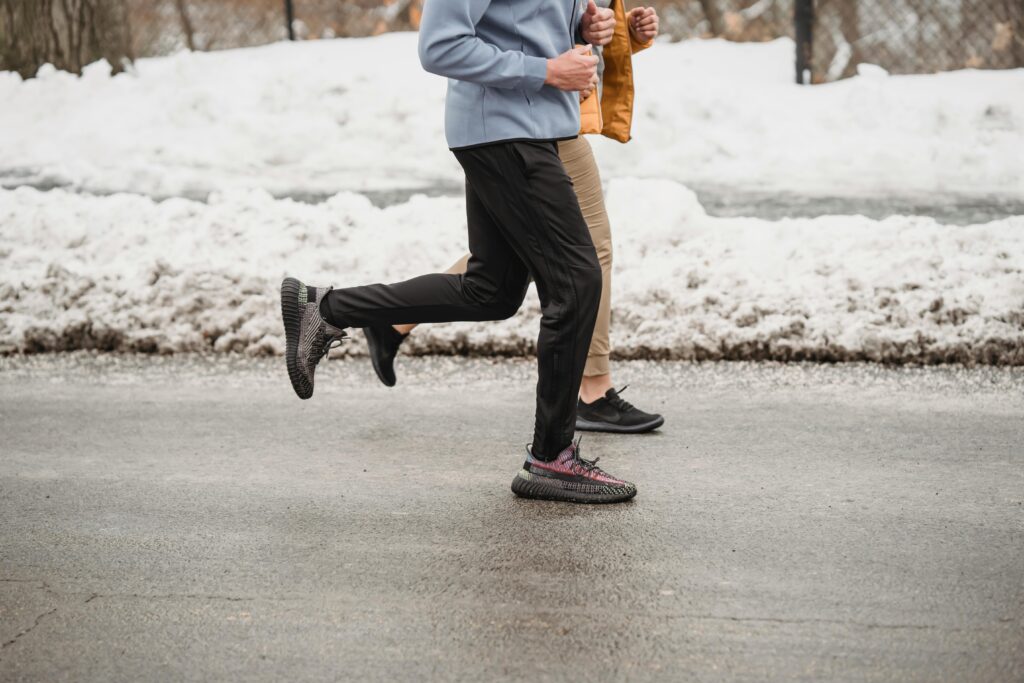
Winter can be a magical time for outdoor workouts—crisp air, beautiful snowy landscapes, and the chance to stay active during the holiday season. But exercising in cold weather also brings unique challenges. From icy sidewalks to stiff muscles, winter increases the risk of certain injuries. Understanding these risks and learning how to prevent them is essential to staying safe, healthy, and consistent with your fitness routine throughout the season.
Here’s a comprehensive look at the most common winter exercise injuries and strategies to prevent them.
Why Winter Workouts Increase Injury Risk
Cold weather affects the body in several ways. Muscles, tendons, and ligaments are less flexible when temperatures drop, which increases the likelihood of strains and pulls. Cold air can also make joints feel stiffer, and winter conditions such as ice, snow, and reduced daylight create environmental hazards.
Additionally, people often change their routines during the colder months—running less frequently, skipping warm-ups, or trying new indoor workouts—which can make the body more prone to injury. Awareness and preparation are key to preventing setbacks.
Common Winter Exercise Injuries
1. Muscle Strains and Pulls
Cold muscles are less pliable and more susceptible to strains. This is especially true for runners, cyclists, and people doing high-intensity workouts outdoors. Strains often occur in the hamstrings, calves, and lower back.
2. Slips and Falls
Snow and ice create a major risk for slips and falls, particularly during outdoor activities like running, walking, or hiking. Even a minor fall can result in bruises, sprains, or fractures. Ankles, knees, and wrists are especially vulnerable.
3. Joint Pain and Stiffness
Colder temperatures can aggravate joints, particularly in people with arthritis or previous injuries. Knees, hips, and shoulders may feel more rigid, increasing the risk of overuse injuries during regular workouts.
4. Frostbite and Cold-Related Injuries
Although less common, frostbite and hypothermia are real risks during prolonged exposure to extreme cold. Fingers, toes, ears, and the nose are most vulnerable. Exercising without proper protection in freezing conditions can lead to serious complications.
5. Overuse Injuries From Indoor Workouts
When winter forces people indoors, they may switch to treadmills, stationary bikes, or home workout equipment. Repeating the same motions without variety can lead to overuse injuries, such as tendonitis, shin splints, or shoulder impingements.
Prevention Strategies for Winter Exercise Injuries
1. Prioritize Warm-Ups
Never skip warming up, especially in cold weather. Start with dynamic stretches, light jogging, or gentle movements to increase blood flow and loosen muscles before more intense activity. Cold muscles are a major contributor to strains and sprains.
2. Dress Appropriately
Layering is essential. Start with a moisture-wicking base layer to keep sweat off your skin, add an insulating layer for warmth, and finish with a wind- and water-resistant outer layer. Don’t forget gloves, hats, and thermal socks to protect extremities from frostbite.
3. Adapt Your Environment
If outdoor conditions are icy or unsafe, move your workout indoors. Use gyms, home exercise equipment, or virtual workout classes. For outdoor runs or walks, choose cleared paths, wear shoes with good traction, and avoid areas that may be slippery.
4. Strengthen and Stretch
Regular strength training can stabilize joints and improve balance, reducing the risk of winter-related injuries. Focus on exercises that strengthen core muscles, hips, and lower body. Incorporate stretching and mobility work to maintain flexibility, particularly in stiff joints.
5. Stay Hydrated
It’s easy to forget hydration in cold weather, but dry winter air can dehydrate you faster than you realize. Proper hydration keeps muscles supple and supports overall performance.
6. Pace Yourself
Winter workouts should consider the season’s challenges. Avoid overexertion and give yourself extra time for cooldowns. Gradually increase intensity to prevent overuse injuries or strains.
7. Protect Your Skin and Extremities
Cold wind and snow can damage skin and extremities. Use protective gloves, moisture-resistant socks, and consider face coverings for long exposure. Frostbite risk is highest in temperatures below freezing, especially when combined with wind.
8. Mix Up Your Routine
Variety reduces the risk of overuse injuries. Combine cardio, strength, flexibility, and balance exercises. Switching between outdoor and indoor workouts can also help maintain motivation while preventing repetitive strain.
9. Listen to Your Body
Pay attention to pain, stiffness, or unusual fatigue. Minor aches can escalate quickly in cold weather if ignored. Rest when needed, modify workouts, and consult a professional if you suspect a serious injury.
Winter Exercise Injury Recovery Tips
Even with precautions, injuries can happen. Immediate care often follows the R.I.C.E. method—Rest, Ice, Compression, and Elevation—for strains and sprains. Heat therapy can help relax muscles before gentle stretching once acute pain subsides. Physical therapy and professional guidance are essential for more severe injuries, particularly those involving joints or repeated overuse.
Rehabilitation and patience are key. Pushing too hard too soon can prolong recovery or worsen the injury.
Final Thoughts: Staying Safe and Strong Through Winter
Winter doesn’t have to mean slowing down or skipping workouts. By understanding the risks, preparing appropriately, and listening to your body, you can enjoy cold-weather exercise safely. Warming up, dressing correctly, strengthening muscles, and protecting joints go a long way toward preventing injuries, ensuring that you maintain consistency and finish the year strong.
Winter workouts can be invigorating and rewarding, but staying mindful of your body and environment is essential. With proper care, you can make the most of the season while staying injury-free, healthy, and motivated.