
What Can Dogs Eat? The Complete Guide to Safe and Dangerous Foods for Dogs
If you’ve ever caught your dog giving you those eyes while you’re eating, you’ve probably wondered whether it’s okay to share. Some human foods are perfectly safe for dogs — a few are even beneficial. Others are surprisingly toxic and can cause serious harm, even in small quantities. Knowing the difference isn’t just useful, it could save your dog’s life.
This guide covers the most commonly asked-about foods, clearly separated into what’s safe, what’s harmful, and what sits somewhere in between.
Foods That Are Safe for Dogs
Chicken
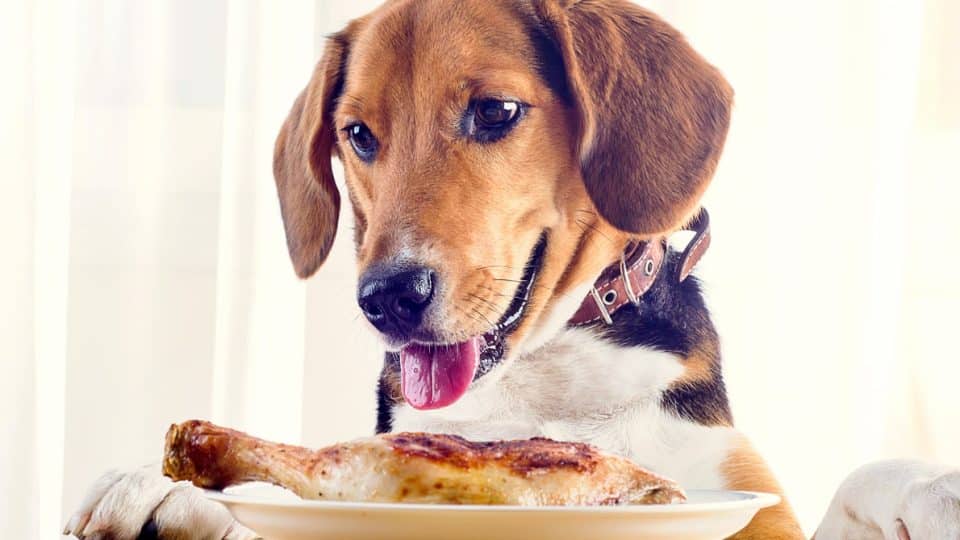
Plain, cooked chicken is one of the best things you can give a dog. It’s high in protein, easy to digest, and most dogs love it. Make sure it’s fully cooked, boneless, and unseasoned — no garlic, onion, salt, or sauces. Boiled or baked is ideal. Raw chicken carries a risk of salmonella, so cooked is always the safer choice for home feeding.
Turkey
Similar to chicken — plain, cooked, boneless turkey is safe and nutritious. Avoid turkey skin, which is high in fat and often seasoned, and never give cooked turkey bones, which can splinter dangerously.
Salmon
Cooked salmon is excellent for dogs — it’s rich in omega-3 fatty acids which support skin, coat, and joint health. Always cook it fully and remove all bones. Raw salmon can contain a parasite that causes salmon poisoning disease in dogs, which can be fatal, so cooked only.
Eggs
Fully cooked eggs are a great source of protein and easy to digest. Scrambled or boiled with no butter, oil, or seasoning is fine. Raw eggs carry a small risk of salmonella and contain avidin, which can interfere with biotin absorption over time.
Peanut Butter
Most dogs go absolutely wild for peanut butter, and the good news is it’s safe — with one critical caveat. Check the label first. Peanut butter containing xylitol (an artificial sweetener) is highly toxic to dogs. Plain peanut butter with no added sugar, salt, or sweeteners is fine in moderation. It’s also high in calories, so keep portions small.
Carrots
Carrots are one of the best snacks you can give a dog. Low in calories, high in fibre and vitamins, naturally sweet, and great for dental health — chewing on a raw carrot helps clean teeth. Both raw and cooked carrots are fine.
Apples
Apples are safe for dogs and many enjoy them. Remove the core and seeds before giving — apple seeds contain small amounts of cyanide which, while unlikely to cause harm from a few seeds, is best avoided. The flesh and skin are fine and provide a good source of vitamins A and C.
Blueberries
Blueberries are a genuinely nutritious snack for dogs — packed with antioxidants, vitamins, and fibre. Their small size makes them an easy treat and most dogs enjoy them. Fresh or frozen both work well.
Watermelon
Watermelon is safe and hydrating, making it a great summer treat. Remove the seeds and rind before giving — the flesh is fine. High water content makes it a good choice for keeping dogs hydrated in hot weather.
Bananas
Bananas are safe in moderation. They’re high in potassium, vitamins, and fibre, but also relatively high in sugar, so they shouldn’t be given in large quantities. A few slices as an occasional treat is fine.
Strawberries
Fresh strawberries are safe for dogs and contain vitamin C and fibre. Like bananas, they contain natural sugar so should be given in moderation. Remove the leaves and cut them up to avoid any choking risk for smaller dogs.
Cucumber
Cucumbers are an excellent low-calorie snack, particularly for overweight dogs. Mostly water, they’re hydrating and crunchy without adding much in the way of calories or sugar.
Green Beans
Plain green beans — raw, steamed, or cooked without seasoning — are a nutritious, low-calorie snack. High in fibre and filling, they’re sometimes used as a food extender for dogs on a diet.
Broccoli
Broccoli is safe in small quantities. It’s a good source of vitamins and fibre. The caveat is that broccoli florets contain isothiocyanates, which can cause gastric irritation in some dogs if given in large amounts — so small portions occasionally is the way to go.
Pumpkin
Plain cooked pumpkin (not pumpkin pie filling, which contains sugar and spices) is excellent for digestive health. High in fibre, it’s often recommended to help settle an upset stomach or resolve mild constipation or diarrhoea.
Rice
Plain cooked white rice is highly digestible and easy on the stomach — it’s commonly recommended alongside boiled chicken as a bland diet for dogs recovering from digestive upsets. Brown rice is also fine but slightly harder to digest.
Oats
Plain cooked oats with no added sugar, salt, or milk are safe and nutritious. A reasonable source of fibre and sometimes useful for dogs with wheat sensitivities. Don’t give flavoured porridge packets, which often contain sugar, salt, and artificial ingredients.
Cheese
Most dogs love cheese and it’s generally safe in small amounts as an occasional treat or training reward. Choose lower-fat varieties and keep quantities small — cheese is high in fat and calories, and some dogs are lactose intolerant. If your dog gets a runny stomach after cheese, it’s best avoided.
Yoghurt
Plain, unsweetened yoghurt with no artificial sweeteners is safe for most dogs. Some find the probiotics beneficial for gut health. Check the label carefully and avoid anything with xylitol, artificial flavours, or added sugar. As with cheese, dogs that are lactose intolerant may not tolerate it well.
Coconut
Plain coconut flesh and coconut oil are safe in small amounts and some advocates claim skin and coat benefits. Coconut water is high in potassium so should be given sparingly. Don’t give in large quantities.
Peas
Fresh, frozen, or thawed peas are safe and nutritious — a good source of vitamins and plant-based protein. Avoid tinned peas which are high in sodium.
Sweet Potato
Plain cooked sweet potato is excellent for dogs — high in dietary fibre, vitamins, and minerals. Serve plain and cooked; raw sweet potato can be hard to digest.
Foods That Are Toxic to Dogs
Grapes and Raisins
This is one of the most important things every dog owner needs to know. Grapes and raisins are highly toxic to dogs and can cause sudden kidney failure. The toxic compound hasn’t been fully identified, which means there’s no known safe quantity — even a small amount can cause serious harm in some dogs. Symptoms include vomiting, lethargy, and decreased urination. If your dog eats grapes or raisins, contact your vet immediately.
This also applies to foods containing raisins: fruit cake, hot cross buns, mince pies, muesli, and some cereals.
Onions, Garlic, Leeks, and Chives
All members of the allium family are toxic to dogs. They damage red blood cells and can cause haemolytic anaemia, which can be life-threatening. Garlic is considered the most potent — it’s roughly five times more toxic than onion. Importantly, all forms are dangerous: raw, cooked, powdered, and dried. Garlic powder and onion powder are concentrated and therefore particularly hazardous.
This means being very careful with leftovers, gravies, sauces, and soups — which frequently contain onion and garlic.
Chocolate
Chocolate is toxic to dogs because it contains theobromine (and caffeine), which dogs metabolise far more slowly than humans. Dark chocolate and baking chocolate contain the highest concentrations and are the most dangerous. Milk chocolate is less concentrated but still toxic in sufficient quantities. White chocolate contains very little theobromine but is high in fat and sugar.
Symptoms of chocolate toxicity include vomiting, diarrhoea, restlessness, excessive thirst, muscle tremors, and in severe cases seizures. The amount required to cause harm depends on the type of chocolate and the size of the dog. If your dog eats chocolate, contact your vet.
Xylitol
Xylitol is an artificial sweetener found in sugar-free chewing gum, some peanut butters, sweets, baked goods, some medications, and increasingly in a wide range of products. In dogs, xylitol causes a rapid release of insulin leading to hypoglycaemia (low blood sugar), and can also cause liver failure. Symptoms develop quickly and include vomiting, loss of coordination, and seizures. Xylitol poisoning is a veterinary emergency.
Always check labels on anything you’re giving your dog, and keep sugar-free products well out of reach.
Macadamia Nuts
Macadamia nuts are toxic to dogs, though the exact mechanism isn’t fully understood. Even small amounts can cause weakness, vomiting, tremors, and hyperthermia. Symptoms usually appear within 12 hours of ingestion. Contact your vet if your dog eats macadamia nuts.
Alcohol
Alcohol is toxic to dogs and far more dangerous for them than it is for humans. Even small amounts can cause vomiting, disorientation, breathing difficulties, dangerously low blood sugar, and in severe cases coma or death. Keep alcoholic drinks well out of reach and be mindful of foods cooked with alcohol.
Caffeine
Caffeine is toxic to dogs in the same way as theobromine — dogs metabolise it poorly and even moderate amounts can cause serious symptoms including rapid breathing, muscle tremors, fits, and heart palpitations. Keep coffee, tea, energy drinks, and caffeine-containing supplements away from dogs.
Avocado
Avocado contains persin, a fungicidal toxin that can cause vomiting and diarrhoea in dogs. The flesh, skin, and pit are all potentially harmful. The pit also poses a serious choking and intestinal blockage risk. While some sources suggest that the small amounts in commercial dog foods are safe, fresh avocado — particularly the skin, pit, and large quantities of flesh — is best avoided entirely.
Cooked Bones
This surprises many dog owners. While raw bones are generally considered safe and beneficial for dogs, cooked bones are dangerous. Cooking causes bones to become brittle and splinter into sharp fragments that can cause choking, mouth and tongue injuries, or puncture the digestive tract. This applies particularly to poultry bones — cooked chicken and turkey bones are particularly hazardous. Never give a dog a cooked bone.
Corn on the Cob
The corn itself is safe, but the cob is not. It’s a common cause of intestinal obstruction in dogs — it doesn’t digest and can become lodged in the gut, which is a surgical emergency. If you give corn, remove it from the cob first.
Nutmeg
Nutmeg contains myristicin, which is toxic to dogs in larger quantities and can cause hallucinations, disorientation, increased heart rate, and seizures. The small amounts in some baked goods are unlikely to cause serious harm, but it’s best avoided entirely.
Salt
Dogs need some sodium in their diet but excessive salt is harmful. Large amounts can cause sodium ion poisoning, leading to vomiting, diarrhoea, excessive thirst and urination, tremors, and in severe cases death. Avoid giving salty snacks like crisps, pretzels, or salted nuts.
Raw Yeast Dough
Raw bread dough containing yeast is dangerous for two reasons: the yeast continues to rise inside the warm stomach, causing potentially dangerous bloating; and as it ferments it produces alcohol, leading to ethanol toxicity. Keep raw dough well away from dogs.
Foods in the Middle Ground
Tomatoes
Ripe, red tomatoes are generally considered safe for dogs in small amounts. The concern is with the green parts of the plant — stems, leaves, and unripe tomatoes — which contain solanine and tomatine, compounds that are toxic in large quantities. A small amount of ripe tomato flesh is unlikely to cause harm, but it’s best to be cautious.
Mushrooms
Shop-bought mushrooms — plain white button, chestnut, or portobello — are generally considered safe for dogs in small amounts. The danger is with wild mushrooms, many of which are highly toxic and can cause liver failure, neurological symptoms, and death. Unless you are absolutely certain of the species, don’t let your dog eat wild mushrooms.
Potatoes
Cooked, plain potatoes are generally safe. Raw potatoes contain solanine (as do green potatoes and potato skins in large amounts), which can be harmful. If you give potato, make sure it’s fully cooked, plain, and given in moderation. Avoid chips, crisps, and mashed potato with butter or seasoning.
Mango
Ripe mango flesh is safe for dogs — it’s sweet, nutritious, and most dogs enjoy it. Remove the skin and the pit before giving. The pit is a choking hazard and contains small amounts of cyanide.
Oranges and Citrus
The flesh of oranges is safe for dogs in small quantities. Remove the peel and pips, which can cause digestive upset. Many dogs dislike the smell of citrus and will avoid it anyway. Give sparingly due to the high sugar content.
What to Do If Your Dog Eats Something Toxic
If your dog has eaten something potentially harmful:
- Stay calm — panicking won’t help your dog
- Identify what they ate and how much — check the packaging and estimate the quantity as best you can
- Contact your vet immediately — don’t wait for symptoms to appear. Many toxins act quickly and early treatment is far more effective
- If your vet is closed, contact an emergency veterinary service or an animal poison helpline
- Don’t induce vomiting unless specifically instructed to by a vet — in some cases this can make things worse
Keep the packaging of anything your dog has eaten so you can give your vet accurate information about ingredients.
General Rules to Remember
- When in doubt, leave it out — if you’re not sure whether something is safe, don’t give it
- Plain is almost always safer — seasonings, sauces, oils, and additives are where many safe foods become unsafe
- Size matters — a small amount of something mildly problematic may affect a Chihuahua very differently to a Labrador
- Introduce new foods gradually — even safe foods can cause digestive upset if introduced suddenly in large quantities
- Treats should make up no more than 10% of your dog’s daily calorie intake — human food on top of a complete dog food can quickly lead to weight gain
Final Thoughts
The list of foods dogs can safely enjoy is longer than many people realise, and sharing the occasional appropriate snack with your dog is one of the small pleasures of dog ownership. The key is knowing which foods are off-limits — particularly grapes, raisins, onions, garlic, xylitol, and chocolate — and keeping those well out of reach.
When in doubt, your vet is always the best source of advice for your specific dog’s dietary needs.
This article is intended for general informational purposes only and does not constitute veterinary advice. Always consult a qualified vet if you have concerns about your dog’s diet or health.