Everything You Need to Know Before Getting a Rhinoplasty
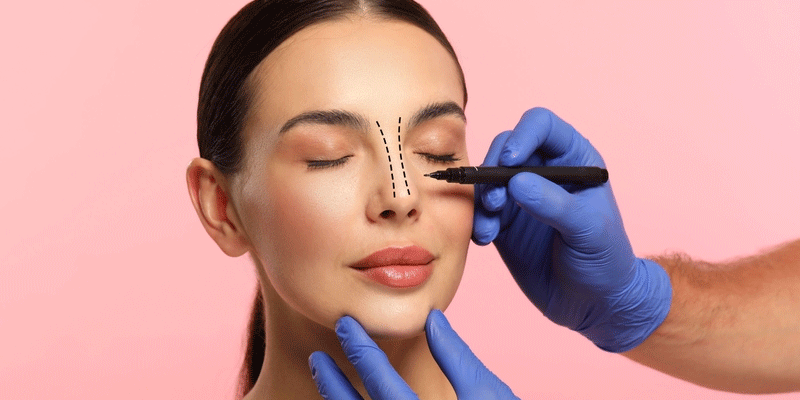
Rhinoplasty — more commonly known as a nose job — is one of the most technically complex and life-changing cosmetic surgeries available. It’s also one of the most searched, most considered, and most frequently misunderstood. Whether you’ve been thinking about it for years or you’ve only just started exploring the idea, this guide covers everything you need to know before making any decisions.
What Is Rhinoplasty?
Rhinoplasty is a surgical procedure that reshapes the nose. It can be performed for cosmetic reasons — to change the size, shape, or proportions of the nose — or for functional reasons, such as correcting a deviated septum that causes breathing difficulties. In many cases, surgeons address both at the same time.
There are two main approaches:
- Open rhinoplasty — a small incision is made across the columella (the strip of skin between the nostrils), giving the surgeon full visibility of the nasal structure. This is the preferred method for more complex reshaping.
- Closed rhinoplasty — all incisions are made inside the nostrils, leaving no visible scarring. This suits more straightforward cases and typically involves a shorter recovery.
The right approach depends entirely on what you want to achieve and the anatomy you’re starting with.
What Can Rhinoplasty Change?
A skilled surgeon can address a wide range of concerns, including:
- Reducing or increasing the overall size of the nose
- Straightening a crooked or asymmetrical nose
- Removing a dorsal hump (the bump on the bridge)
- Refining or reshaping the nasal tip
- Narrowing the nostrils
- Adjusting the angle between the nose and upper lip
- Improving airflow in cases of structural breathing problems
What it cannot do is give you someone else’s nose. The best outcomes come from working with your existing structure to find proportions that suit your face — not replicating a celebrity’s nose from a reference photo.
Are You a Good Candidate?
Rhinoplasty is not right for everyone, and a responsible surgeon will tell you so honestly. You’re likely a good candidate if:
- You are in good overall health with no underlying conditions that increase surgical risk
- Your facial growth is complete — typically around age 18 for women and slightly later for men
- You have realistic expectations about what surgery can achieve
- Your motivation is personal, not driven by external pressure or a desire to look like someone else
- You have thought about it seriously over a sustained period of time, not as an impulsive decision
If you are seeking surgery to please a partner, to fit a trend, or because you are going through a difficult period emotionally, most ethical surgeons will advise you to wait.
Choosing the Right Surgeon
This is, without question, the most important decision you will make in this entire process. Rhinoplasty is one of the hardest procedures in cosmetic surgery — the nose is a three-dimensional structure that affects both appearance and function, sits at the centre of the face, and has very little margin for error.
When researching surgeons:
- Look for a surgeon who specialises specifically in rhinoplasty, not one who performs it occasionally alongside other procedures
- Check their qualifications — in the UK, look for membership of BAAPS (British Association of Aesthetic Plastic Surgeons) or BAPRAS (British Association of Plastic, Reconstructive and Aesthetic Surgeons)
- Review extensive before-and-after portfolios, paying attention to cases with similar starting points to your own
- Read patient reviews across multiple platforms, not just those on the clinic’s own website
- Attend consultations with more than one surgeon before deciding — and pay attention to whether they listen to you, ask questions, and manage your expectations honestly
Be wary of any surgeon who promises perfection, quotes immediately without a thorough consultation, or makes you feel rushed into booking.
The Consultation
A thorough consultation is the foundation of a good outcome. You should expect your surgeon to:
- Examine your nose both externally and, in many cases, internally
- Ask detailed questions about your concerns and what you’re hoping to achieve
- Use imaging or morphing software to give you an idea of potential results
- Discuss your medical history and any medications you take
- Be honest about what is and isn’t achievable for your specific anatomy
- Explain the risks clearly and without glossing over them
Come prepared with photos of your own nose from multiple angles, a clear explanation of what bothers you, and questions written down in advance. The consultation is your opportunity to assess the surgeon as much as it is theirs to assess you.
Understanding the Risks
Like all surgery, rhinoplasty carries risks. Being informed about them isn’t scaremongering — it’s essential. Potential risks include:
- Infection — rare but possible, treated with antibiotics
- Bleeding — some is expected; significant bleeding is uncommon
- Scarring — particularly relevant with open rhinoplasty, though a skilled surgeon will minimise this
- Asymmetry — no face or nose is perfectly symmetrical; minor asymmetry can persist
- Breathing changes — surgery can sometimes affect airflow, though functional cases usually improve it
- Unsatisfactory results — this is the most common source of regret, which is why managing expectations from the start is so important
- Revision surgery — a small percentage of patients require a second procedure to refine results
The revision rate for rhinoplasty is higher than for many other cosmetic surgeries, largely because swelling can take up to a year or more to fully resolve, and minor imperfections only become apparent once it does.
Preparing for Surgery
In the weeks before your procedure, your surgeon will give you specific preparation instructions. Generally, you should expect to:
- Stop smoking at least four to six weeks before surgery — smoking significantly impairs healing
- Avoid blood-thinning medications and supplements (aspirin, ibuprofen, fish oil, vitamin E) for two weeks prior
- Arrange for someone to drive you home and stay with you for the first 24–48 hours
- Take at least one to two weeks off work, more if your job is physical
- Prepare your recovery space at home with everything you’ll need within easy reach
What to Expect During Recovery
Recovery from rhinoplasty is longer and more involved than many people anticipate. Here’s a realistic timeline:
Week 1: You will have a splint on your nose and likely some packing inside. Expect bruising around the eyes, significant swelling, and some discomfort. Sleep with your head elevated. This is the most uncomfortable phase.
Week 2: The splint and any external sutures are typically removed. Bruising fades considerably. Most people feel comfortable going out in public, though swelling remains.
Weeks 3–6: The majority of swelling resolves. You’ll start to see the shape of your new nose emerging, though it will still look slightly puffy and feel somewhat numb.
3–6 months: Swelling continues to reduce. The tip of the nose, in particular, remains swollen longer than the rest.
12–18 months: Your final result. The nose fully settles, tip definition sharpens, and any residual swelling resolves completely. This is the result you’ll be photographed at your follow-up.
Patience during recovery is not optional — it’s part of the process. Judging your result at six weeks will only cause unnecessary anxiety.
The Cost of Rhinoplasty
In the UK, rhinoplasty typically costs between £6,000 and £12,000, depending on the complexity of the procedure, the surgeon’s experience and reputation, and the clinic’s location. This usually includes the surgeon’s fee, anaesthetist, hospital or clinic facility costs, and follow-up appointments.
Be cautious of significantly lower prices. Rhinoplasty is a skill-intensive procedure that takes years to master, and the cost reflects that. Travelling abroad for cheaper surgery is an option some people consider, but it comes with added risks — particularly around follow-up care if complications arise.
If the cost is a barrier, many reputable clinics offer financing options, though it’s worth thinking carefully before taking on debt for elective surgery.
Medical vs. Cosmetic: Can the NHS Help?
In England, rhinoplasty is very rarely funded by the NHS for cosmetic reasons. However, if you have a genuine functional problem — a severely deviated septum causing significant breathing difficulties, for example — you may be eligible for a septoplasty or septorhinoplasty on the NHS. Speak to your GP if you believe this applies to you.
Questions to Ask Your Surgeon
Before committing to surgery, make sure you can answer yes to all of the following:
- Have I had at least two consultations with this surgeon?
- Am I confident in their qualifications and experience specifically in rhinoplasty?
- Have I seen before-and-after photos of patients with a similar nose to mine?
- Do I have a clear and realistic understanding of what the surgery can and cannot achieve?
- Have the risks been explained to me fully and honestly?
- Am I doing this for myself, with stable expectations?
- Am I financially prepared for the full cost, including potential revision?
Final Thoughts
Rhinoplasty can be genuinely life-changing when it’s the right procedure, performed by the right surgeon, for the right reasons. The key is taking your time — researching thoroughly, consulting widely, and being honest with yourself about your motivations and expectations.
The nose you end up with should feel like the best version of yours. Not someone else’s. Not the result of a trend. Just a version of your face that feels more like you.
This article is for informational purposes only and does not constitute medical advice. Always consult a qualified medical professional before considering any surgical procedure.